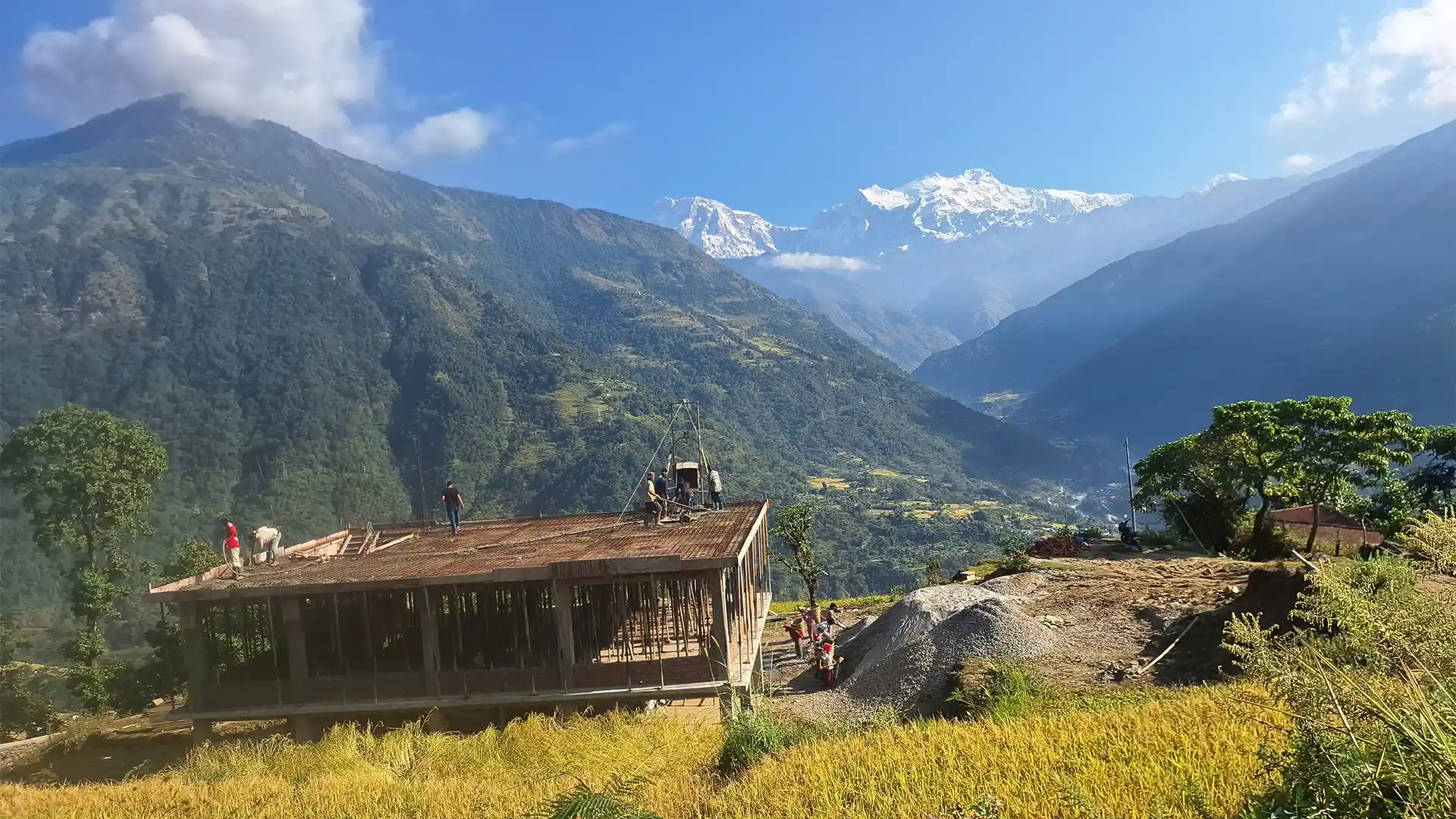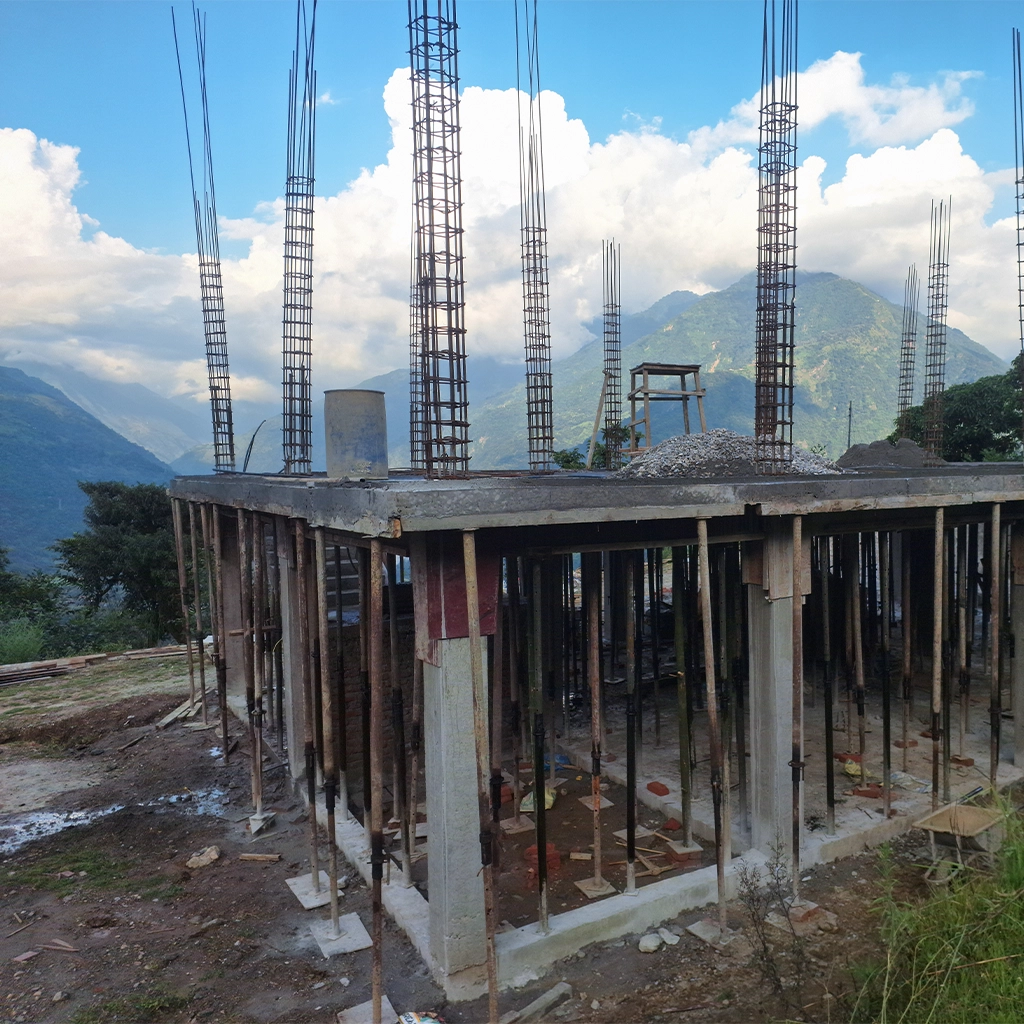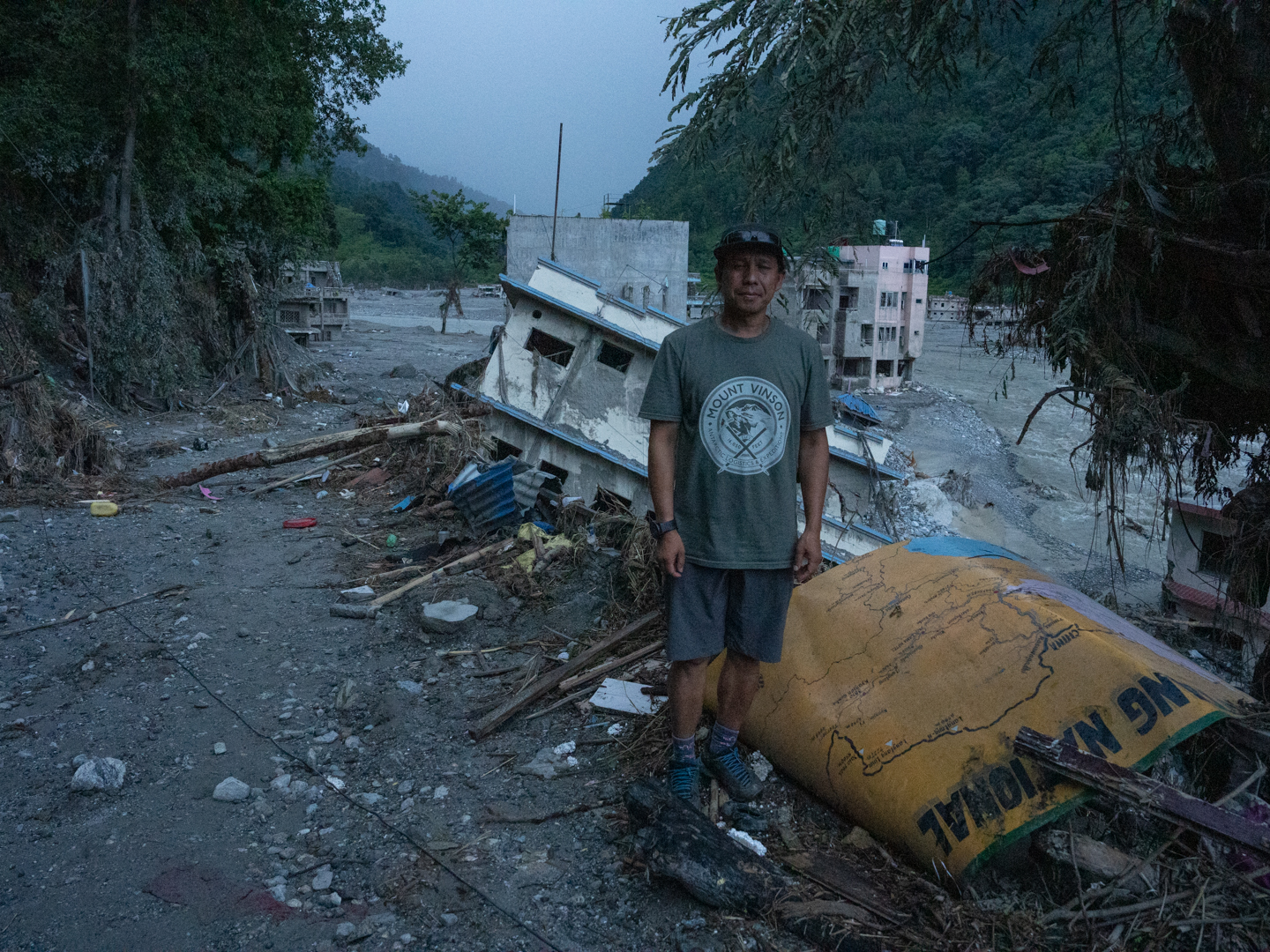

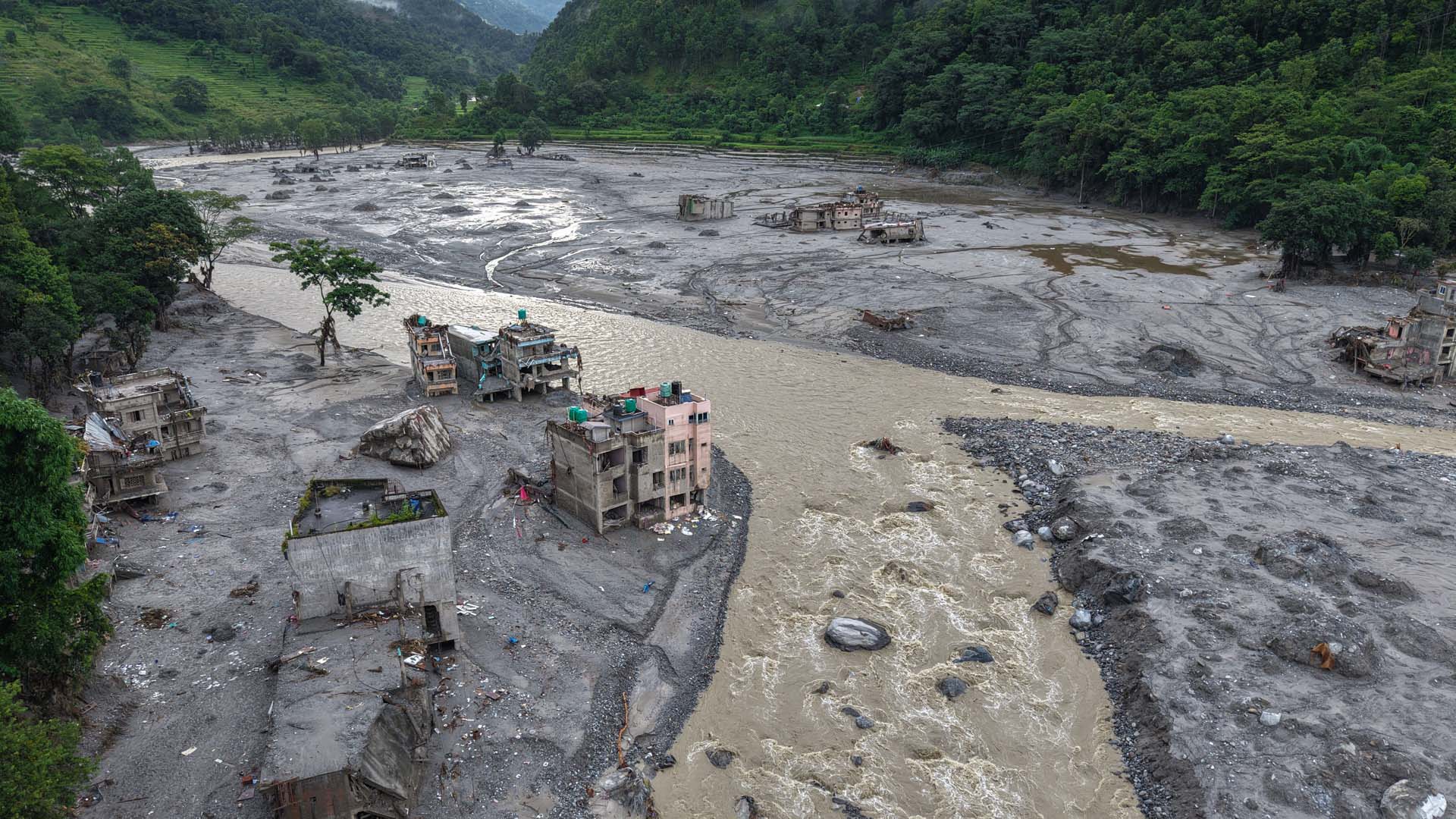
On 26 August 2026, devastating flash floods swept through communities along Nepal’s Bhotekoshi–Trishuli river corridor, leaving widespread destruction and a humanitarian crisis in their wake. Homes, roads, schools, hospitals, bridges and livelihoods were damaged or swept away, leaving thousands of people facing loss, displacement and uncertainty about the future.
According to figures reported by UNDP and UNICEF, 84,270 people were affected, including 32,000 children. Data reported by NDRRMA through the Nepal Red Cross Society indicated that approximately 1,455 people lost their lives, while 5,285 remained missing.
In the immediate aftermath, emergency relief focused on meeting urgent needs, providing essential supplies and helping affected communities find safety. But recovery does not end when the immediate emergency passes. Access to clean water, healthcare, psychological support and the ability to rebuild everyday life remain essential long after the headlines fade.
Through the Himalayan Quests Foundation (HQF), we are working towards supporting flood-affected communities beyond the immediate relief phase, with a focus on three interconnected areas: restoring access to water, providing psychological and mental health support, and expanding access to essential eye and dental healthcare.
The challenges communities continue to face
Restoring access to water
Access to reliable water is fundamental to everyday life, yet some communities continue to face difficulties accessing nearby water sources.
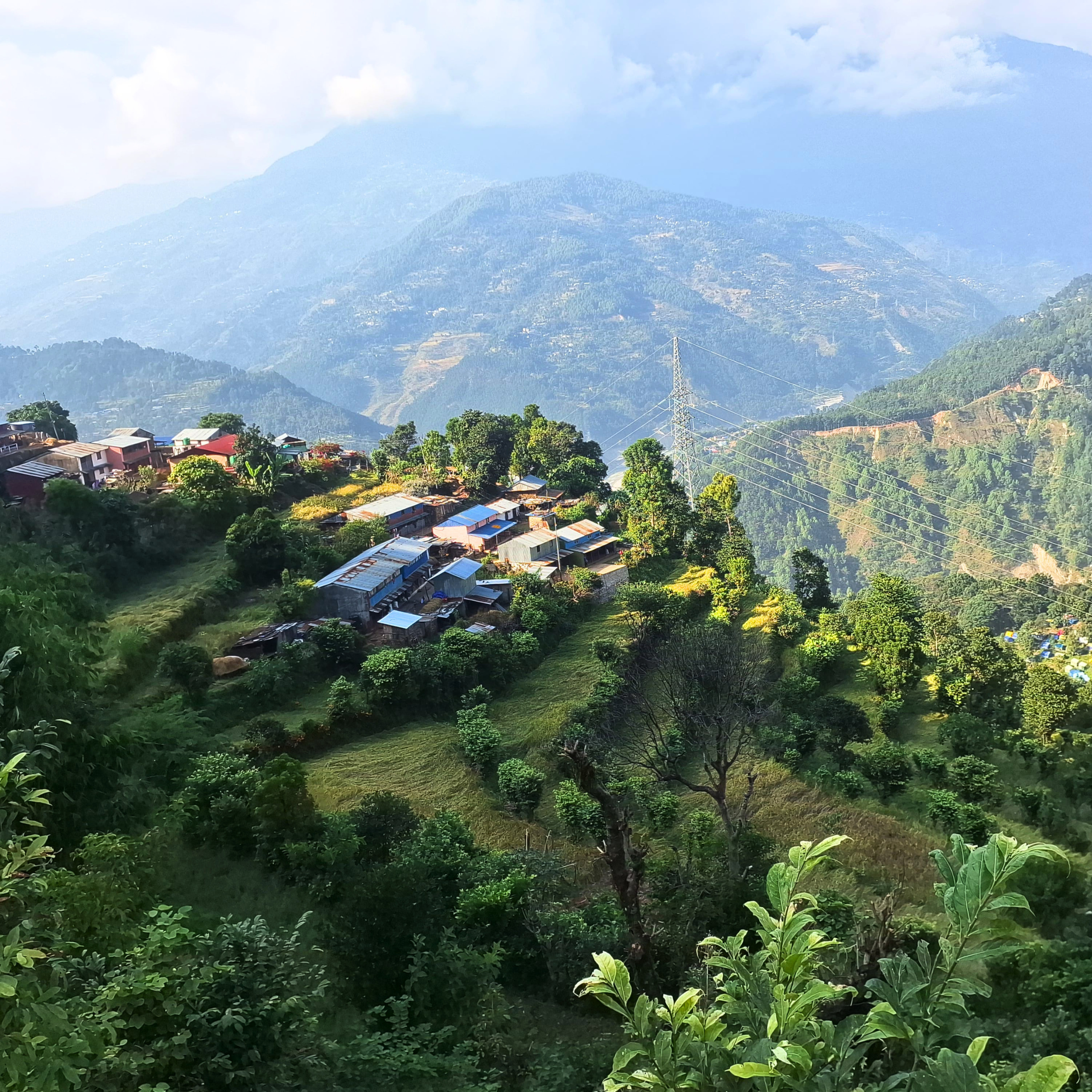
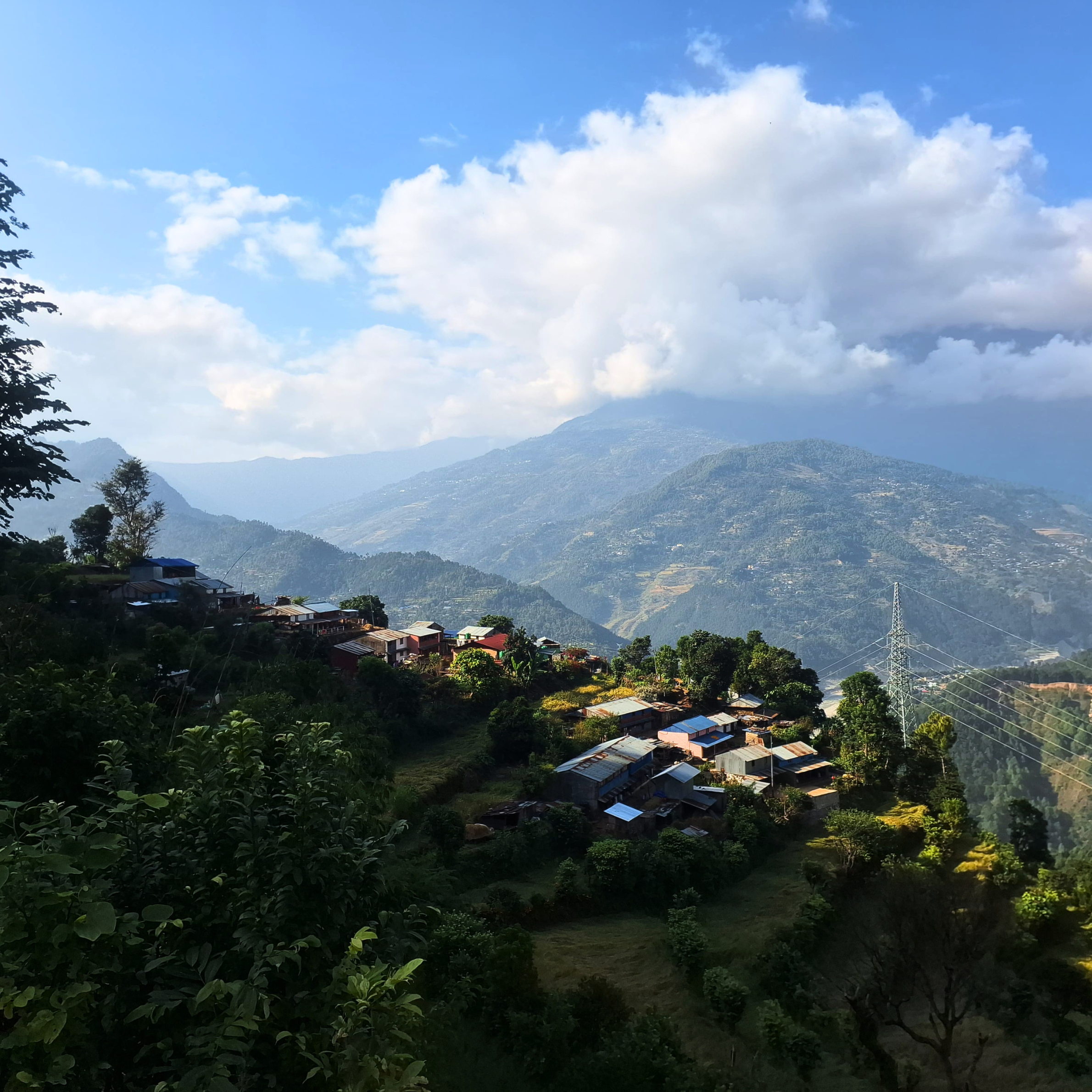
In Shyale Magar village, Nuwakot, residents currently have to travel approximately 2 kilometres uphill to reach the nearest government water source. The water flow is irregular, particularly during the dry season, making daily collection difficult and placing an additional burden on households.
The village, originally comprising 32 households, has now welcomed nine households displaced by the floods. A nearby temporary shelter accommodating another 38 households has further increased demand for water from the same source, placing additional pressure on already limited resources.
For these families, a more accessible and reliable water source closer to the village would make a meaningful difference to everyday life, particularly during periods of reduced water availability.
The psychosocial impact of disaster
The floods have left survivors dealing not only with the loss of homes and livelihoods, but also the loss of family members, friends and entire communities. Many experienced extreme fear and helplessness, with some witnessing loved ones being swept away.
During the immediate aftermath of a disaster, basic needs and physical safety naturally take priority. However, the psychosocial impact can continue long after emergency response efforts have wound down. Survivors may experience prolonged grief, anxiety, stress, trauma and uncertainty about rebuilding their lives.
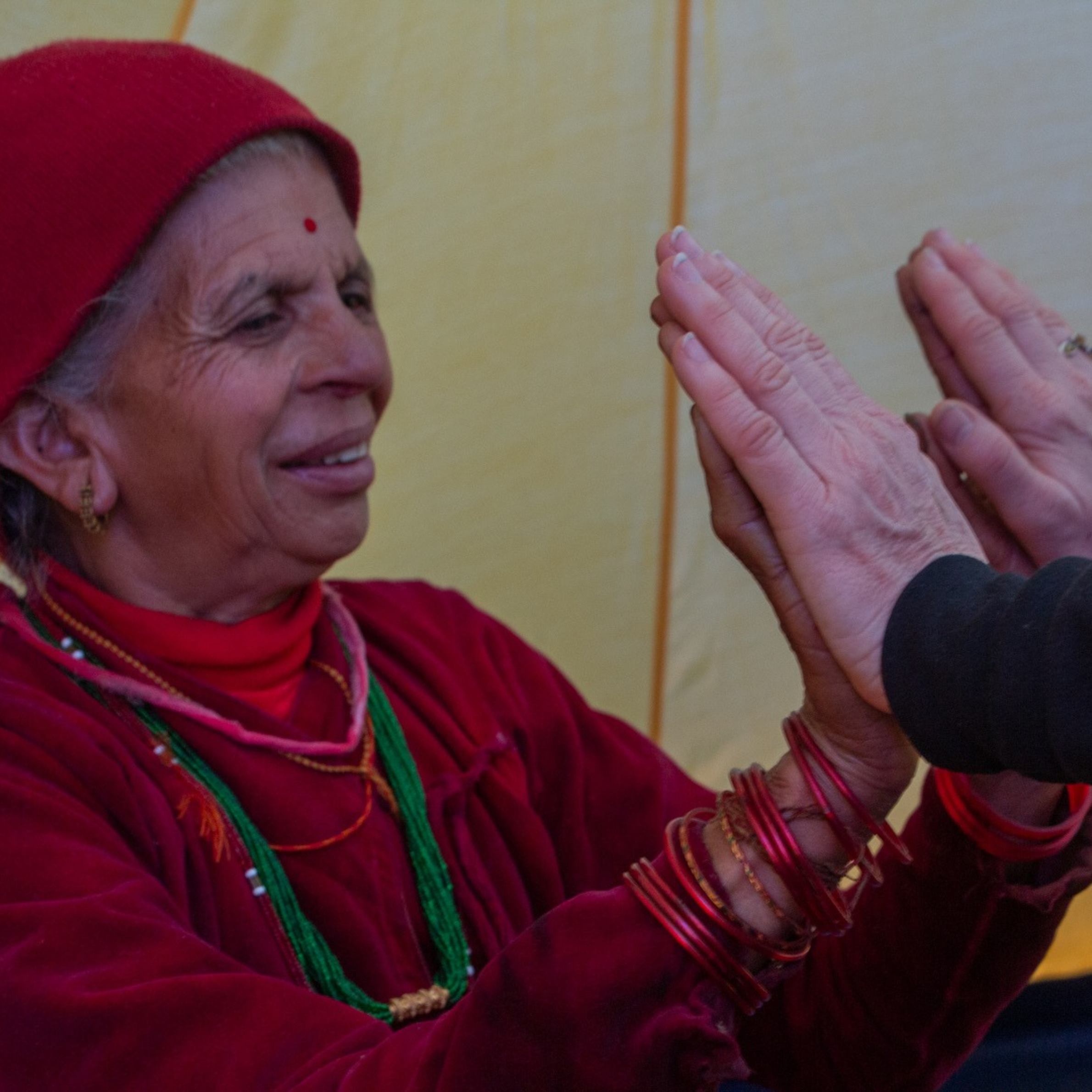
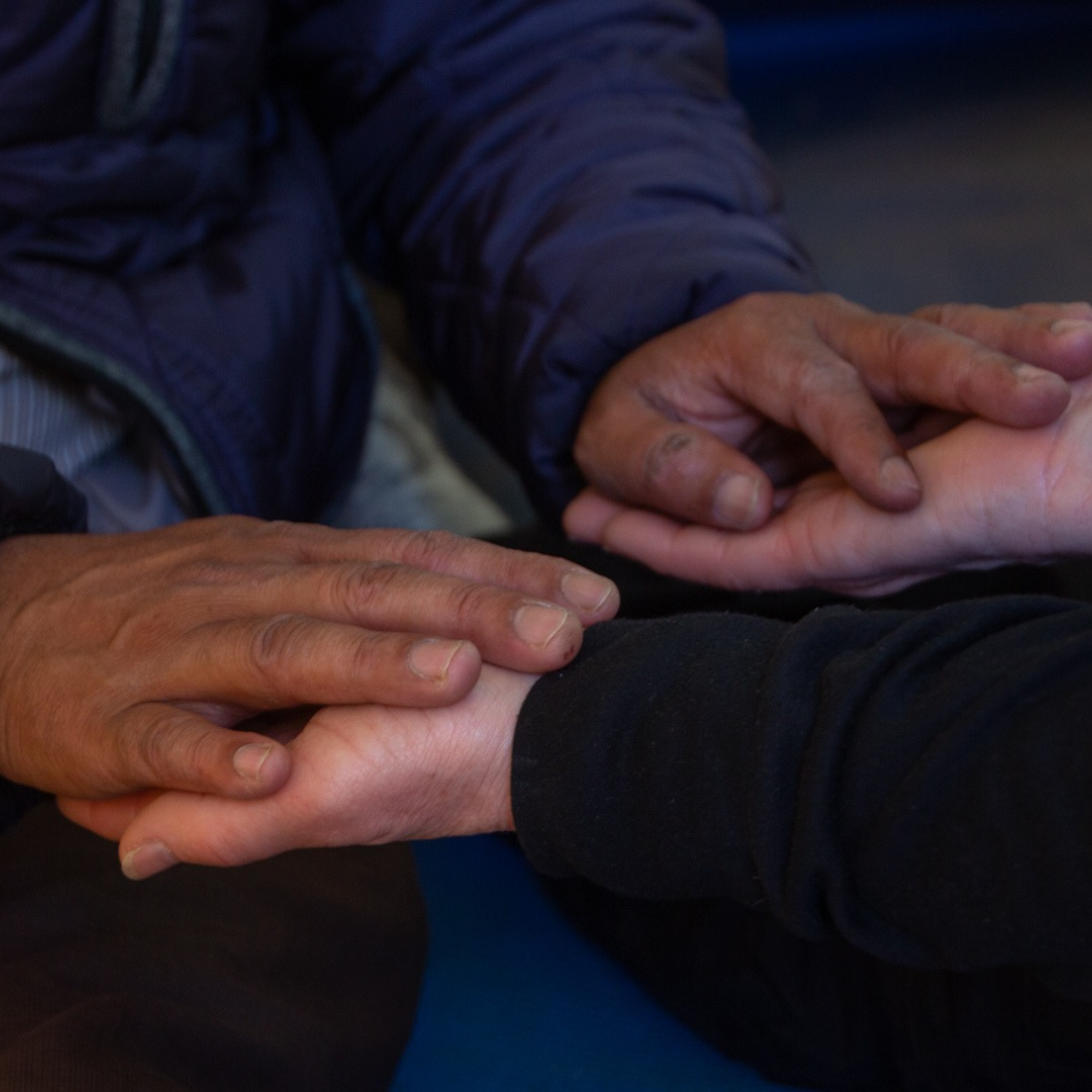
Access to psychosocial support is not always straightforward. In traditional and conservative communities, mental health concerns may be misunderstood or stigmatised, making people hesitant to seek help. Building trust, creating safe spaces and providing consistent support are therefore essential to recovery.
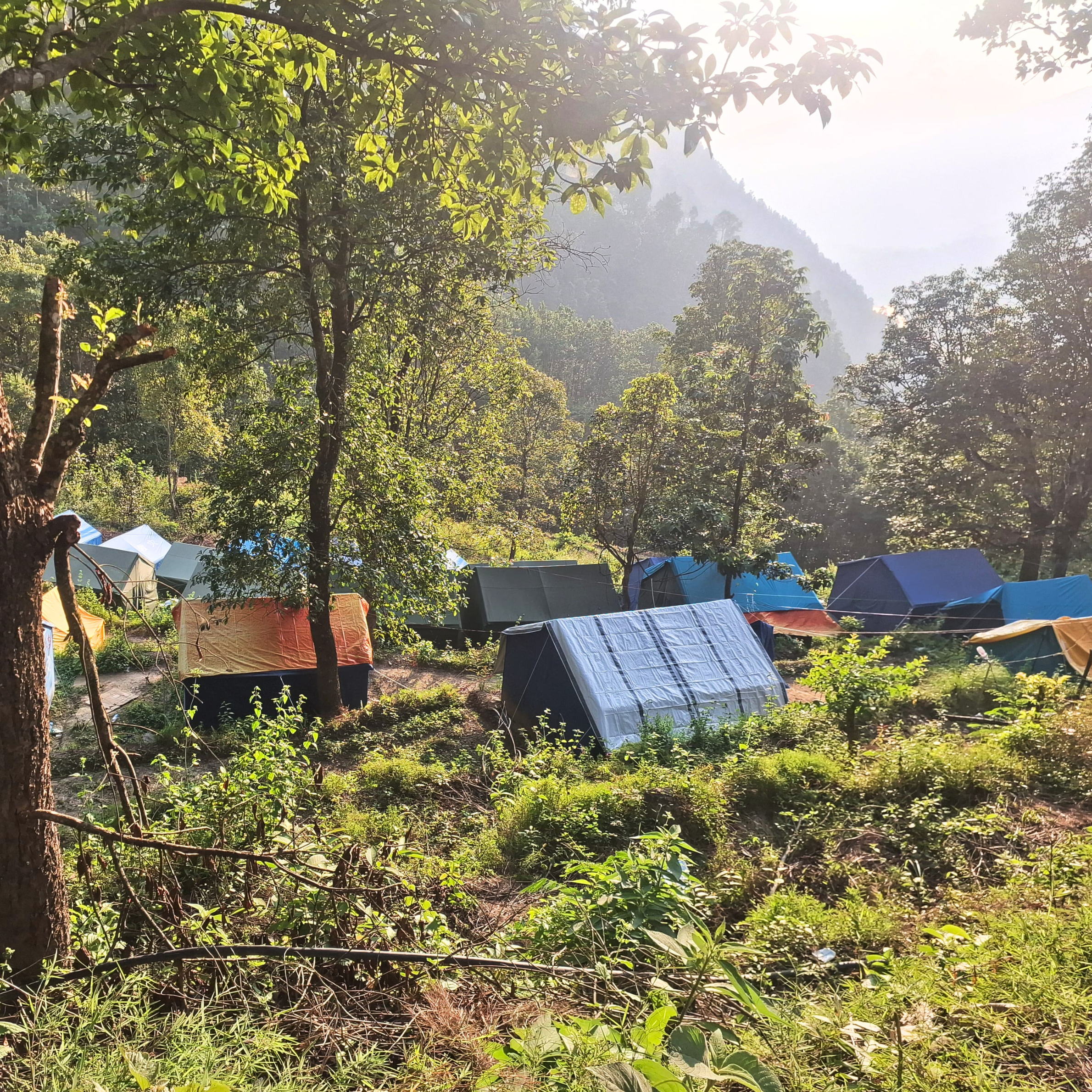
Reaching affected communities is another challenge. Damaged roads and difficult geography have isolated some settlements, while others have relocated to places such as Kathmandu. Identifying where displaced people have moved and ensuring support reaches those who need it requires careful coordination with local communities and organisations.
Access to essential healthcare
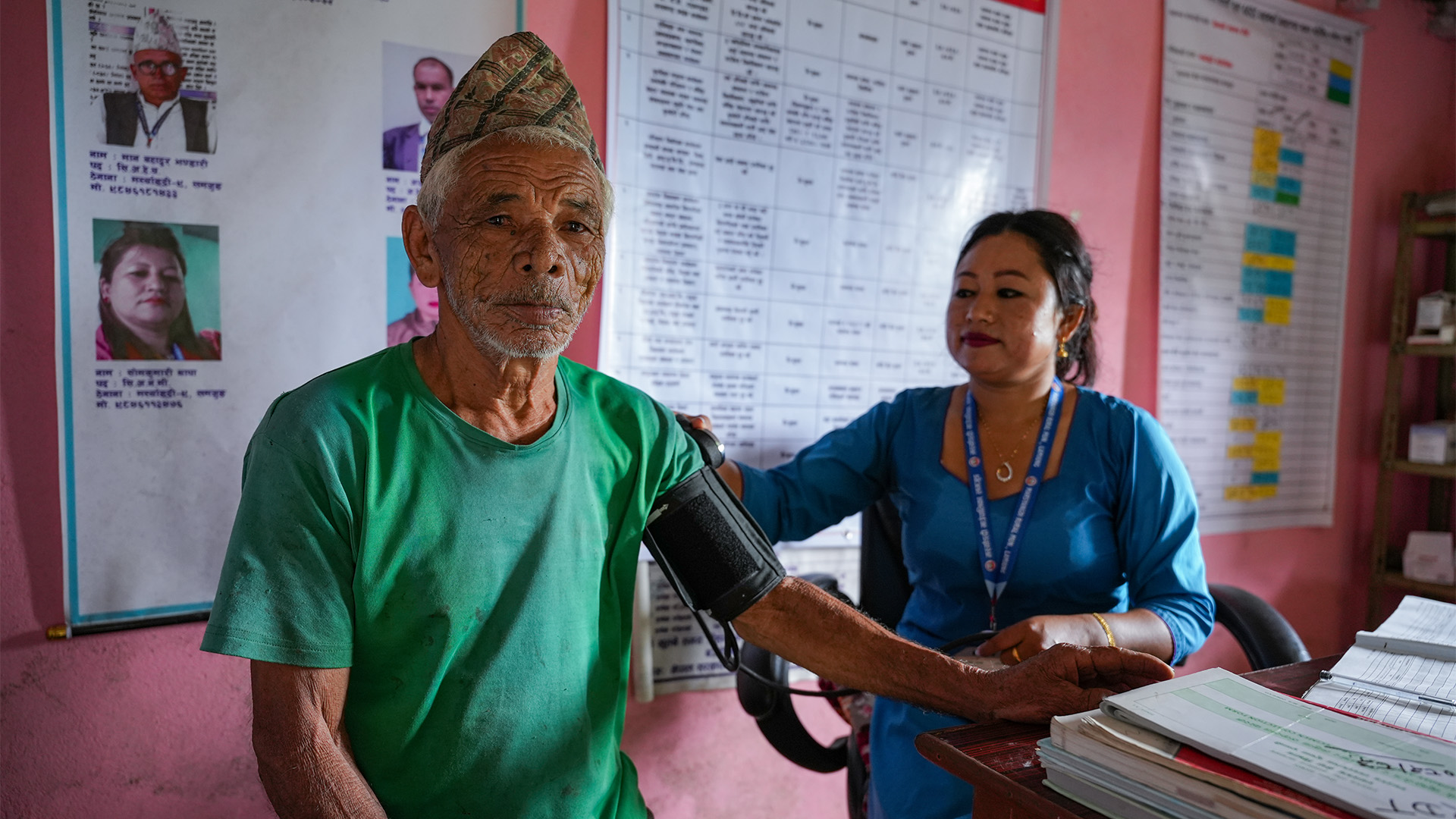
The destruction of health facilities and infrastructure has further disrupted access to basic healthcare in affected areas.
While emergency medical needs are often prioritised, eye and dental health can easily be overlooked, particularly in rural communities where specialised services are already limited. Conditions that could otherwise be identified and treated early may remain unattended, affecting people’s comfort, health and quality of life.
Mobile health camps can help bridge some of these gaps by bringing essential services closer to communities and identifying people who may require further examination or treatment.
How the project aims to support recovery
Through this initiative, HQF plans to support communities through three areas of work.
-
Restoring a traditional water source
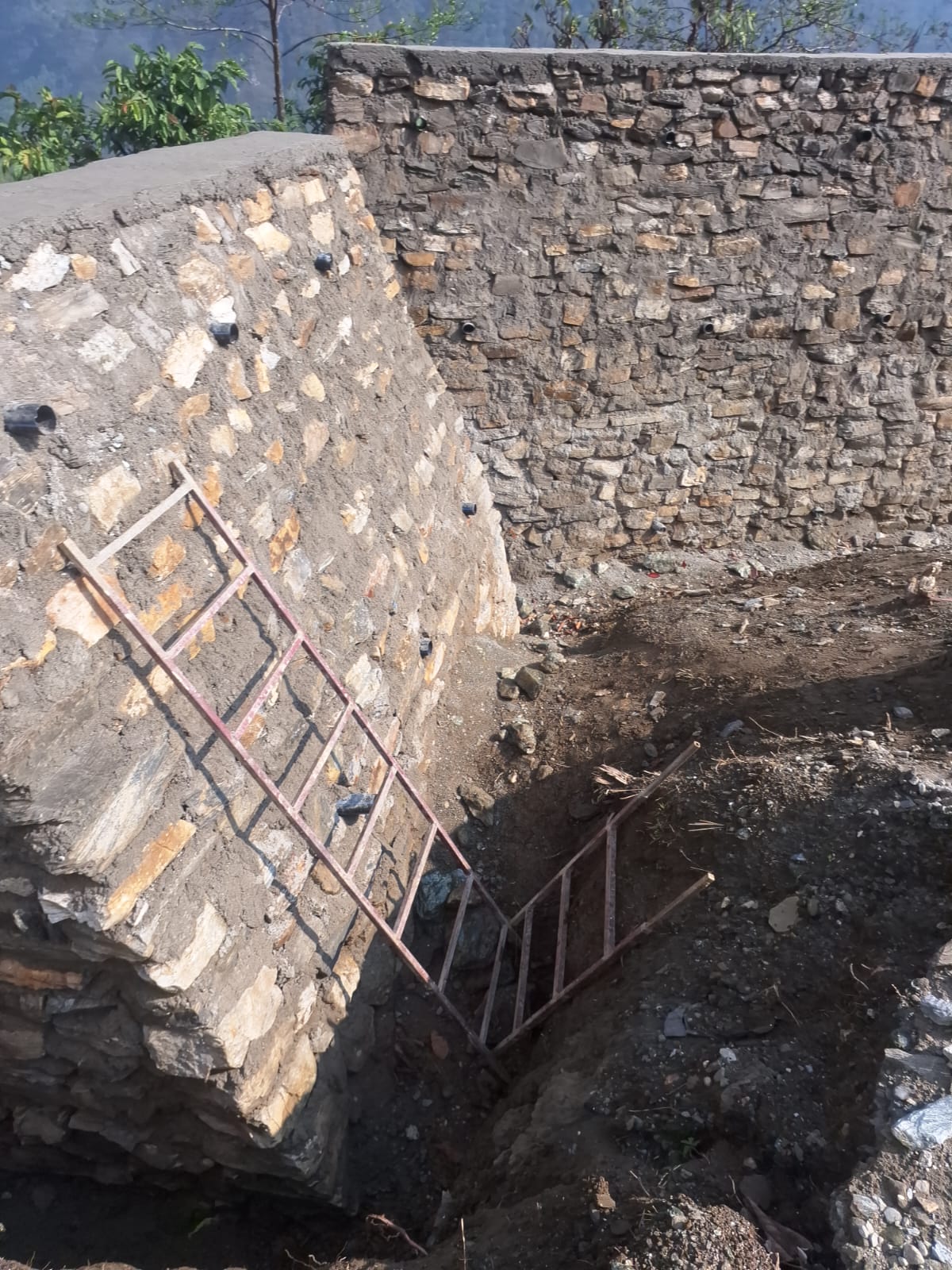
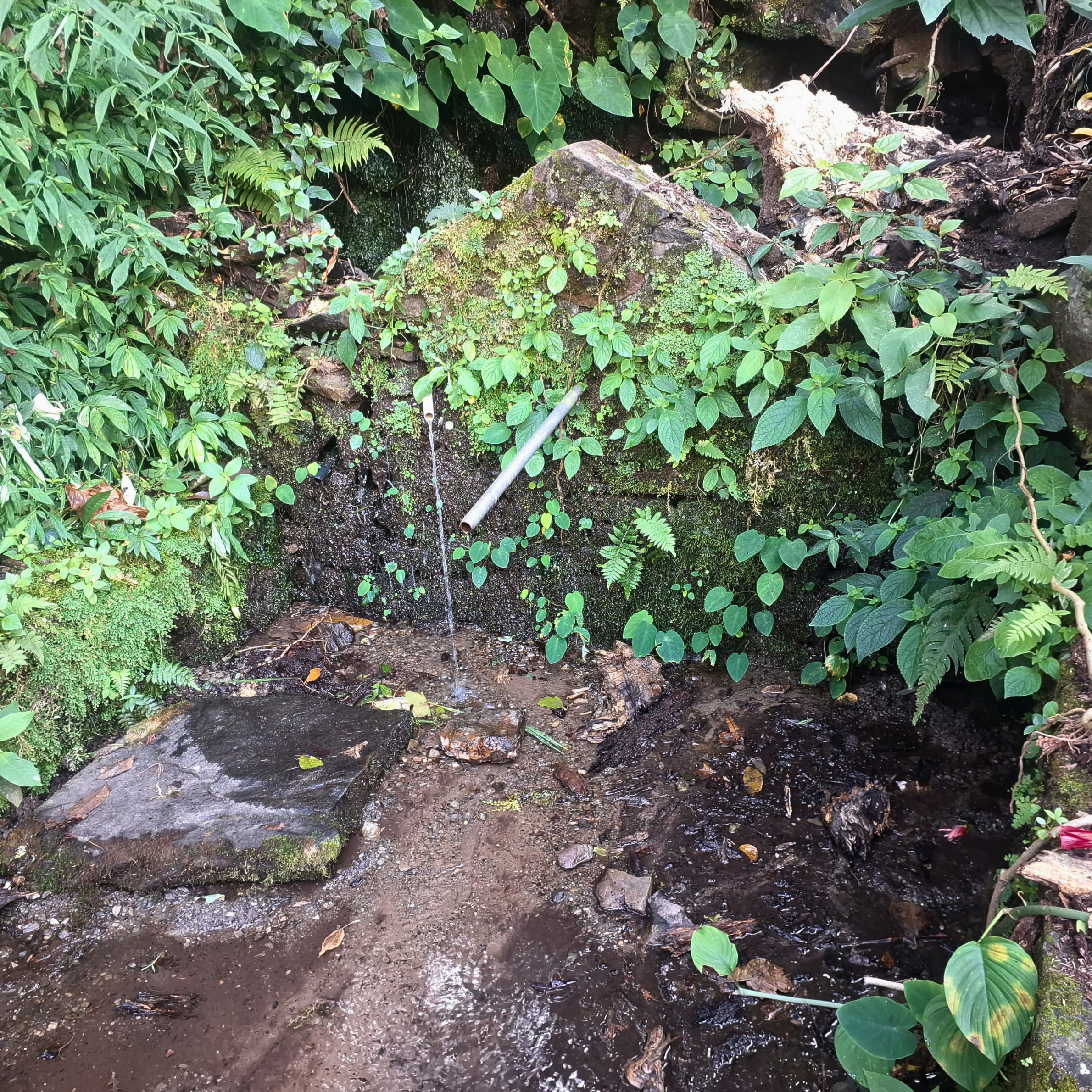
The proposed water restoration work in Shyale Magar village will involve constructing a water reservoir and a retaining wall to protect and support an existing traditional water source.
The restored source will provide a more accessible water point approximately 200 metres from the village, significantly reducing the distance residents currently travel to collect water from the government-fed tap located around 2 kilometres uphill.
This will help ease the daily burden of water collection, improve accessibility and provide a more dependable source, particularly during the dry season. It will also help address the increased demand following the arrival of displaced households and the establishment of a nearby temporary shelter.
-
Psychosocial and mental health support
We plan to work with local mental health professionals to provide psychosocial support to survivors through several phases.
This is an area we have worked in before, following the 2015 earthquake, when we were involved in providing psychosocial support to affected communities and saw first-hand how it can help people cope with the aftermath of a disaster. You can read more about our work following the earthquake here.
Given the scale of the disaster and the challenges of reaching affected and displaced communities, repeated and regular sessions will allow more time for people to build trust, feel comfortable accessing support and gradually develop ways to manage their emotional and physical responses to trauma.
Rather than focusing on repeatedly recounting traumatic experiences, the support will take a more holistic approach to helping people manage grief, stress, anxiety and other psychological effects of the disaster.
We are also exploring the possibility of incorporating trauma-informed somatic approaches in collaboration with local organisations and professionals who provide these services. Where appropriate and available, these may include body awareness, breathing exercises, movement, nervous system regulation and expressive arts therapy.
Such approaches can complement other forms of psychological support, helping survivors develop coping strategies and reconnect with a sense of safety and stability at their own pace.
-
Eye and dental health camps
HQF also plans to expand its existing eye and dental camp programme to include flood-affected communities and surrounding areas where access to basic healthcare remains limited.
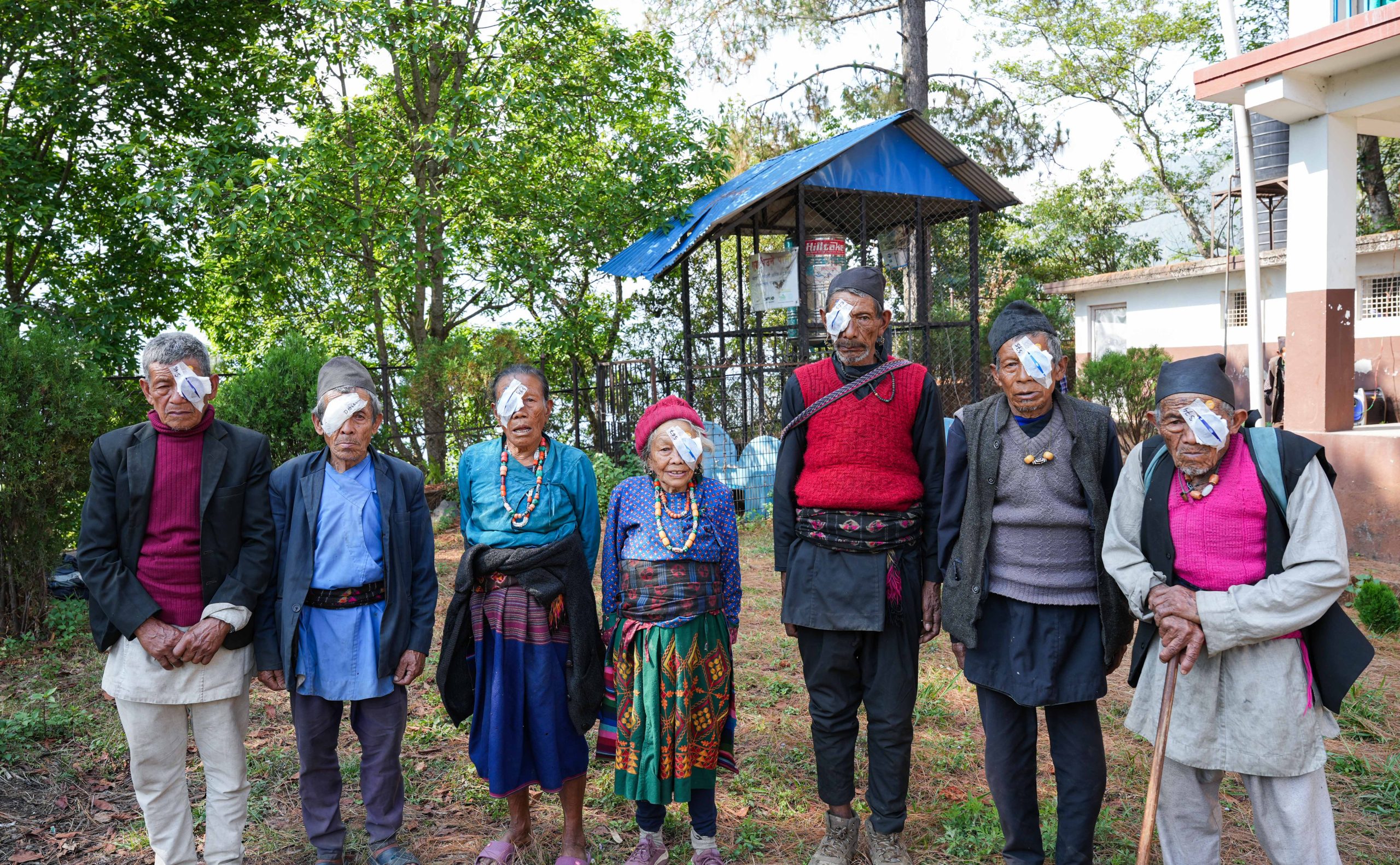
The camps will provide essential eye and dental services, including reading glasses for those who need them, dental hygiene kits and basic healthcare advice. They will also help identify conditions requiring further examination and treatment, including cataracts.
For cataract patients identified during the eye camps, the project will cover the associated costs of treatment, including transportation, accommodation, meals, surgery, medication and dark glasses.
For someone living with impaired vision, cataract surgery can be life-changing, restoring independence and improving their ability to carry out everyday activities.
Funding received through this project will help cover the logistical and operational costs associated with delivering all three initiatives.
Looking beyond immediate relief
Recovery from a disaster extends beyond rebuilding homes and infrastructure. It also means helping people regain emotional stability, access essential healthcare and improve their everyday living conditions.
Through improved access to water, we hope to reduce the time and effort households spend collecting water, ease the pressure on existing sources and help communities manage their needs throughout the year, including during the increasingly challenging dry season.
Through continued psychosocial support, we hope survivors will develop practical ways to cope with grief, stress and anxiety, strengthen their emotional resilience and gradually regain a sense of stability and confidence in their daily lives.
Our experience working in rural communities has also shown us that while people generally seek medical attention when they are unwell, eye and dental health do not always receive the same priority. Improved access to these services can help address neglected health concerns, encourage early detection and provide treatment before conditions become more serious.
Over time, we hope this project will contribute to:
- Better access to reliable water for everyday household needs
- Reduced time and effort spent collecting water
- Greater confidence in the availability of water, particularly during the dry season
- Improved psychosocial wellbeing and emotional resilience
- Better ability to manage prolonged stress, grief and anxiety
- Improved access to essential eye and dental healthcare
- Access to life-changing cataract treatment for those who need it
- Healthier and more resilient communities
Supporting communities as they move forward
The needs of disaster-affected communities do not disappear when emergency relief ends. Recovery takes time, and it requires support that recognises the interconnected nature of health, wellbeing, livelihoods and access to essential resources.
Through this initiative, Himalayan Quests Foundation hopes to contribute to the longer-term recovery of communities affected by the Bhotekoshi-Trishuli floods, helping people move forward with greater stability, dignity and opportunities for a healthier future.
Because rebuilding after a disaster is not only about restoring what was lost. It is also about helping people regain the foundations they need to move forward.
Supporting Our Work Through GlobalGiving
One of the challenges in fundraising for these projects has been finding a simple, straightforward and transparent way for people outside Nepal to contribute to our work here.
We are therefore delighted to share that, finally, anyone from around the world can now click the “Donate” button to contribute to our projects in Nepal. The link will lead you to GlobalGiving project page, from where the fun will be securely processed. GlobalGiving is an international crowdfunding platform connecting donors with community-led projects around the world.
Donations are tax-deductible for US taxpayers, while UK taxpayers donating in GBP may be eligible to claim an additional 25% through Gift Aid at no extra cost.
Thank you for being part of the Himalayan Quests community and for continuing to support the work of Himalayan Quests Foundation. Whether you have travelled with us, worked alongside us or followed our journey over the years, your support helps make this work possible.